The Comprehensive Guide to Refrigerators in the UK
Fridges are an essential device in every family, serving a vital role in food conservation and security. The UK market provides a diverse variety of fridge types, sizes, functions, and brands. This article aims to offer a thorough understanding of fridges offered in the UK, including their functions, energy efficiency, and elements to consider when purchasing.
Types of Refrigerators Available in the UK
When trying to find a refrigerator, it is essential to understand the various types available. Each type comes with its own set of functions and functions, accommodating various requirements and preferences. The most common kinds of fridges found in the UK consist of:
1. Leading Freezer Refrigerators
- Description: The traditional style, including the freezer compartment on top.
- Pros: More inexpensive, roomy, simple access to fresh food.
- Cons: Limited freezer area, the top may be less practical for bulk items.
2. Bottom Freezer Refrigerators
- Description: Freezer lies at the bottom, permitting simpler access to fresh food.
- Pros: Greater convenience, better presence of fresh products.
- Cons: Usually more expensive, some might fight with big frozen items.
3. Side-by-Side Refrigerators
- Description: Features two vertical compartments, one for the fridge and one for the freezer.
- Pros: Ample storage space, simple to gain access to both frozen and fresh foods.
- Cons: Wider footprint, they may not fit in smaller cooking areas.
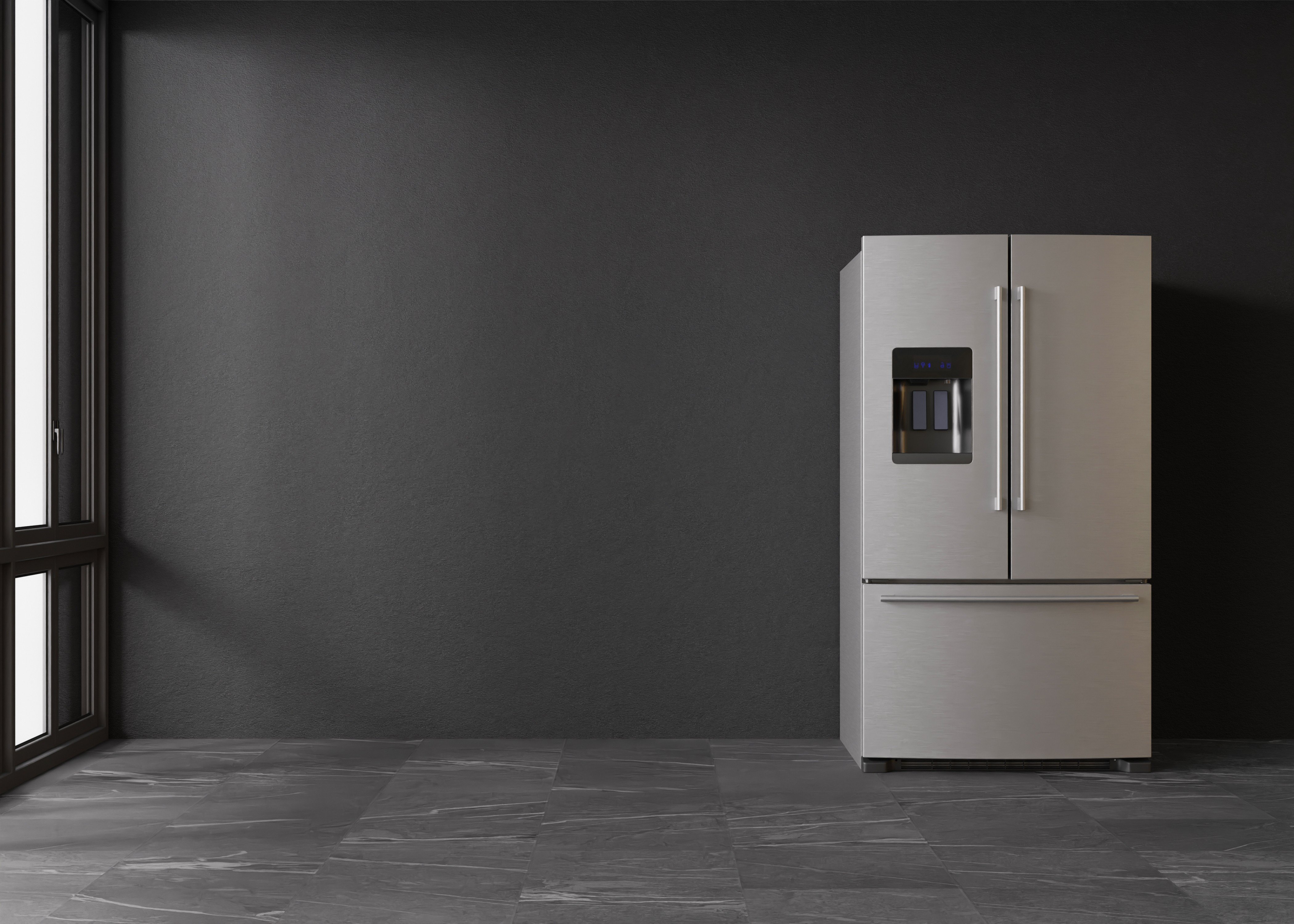
4. French Door Refrigerators
- Description: Combines functions of bottom freezers and side-by-sides, with two doors for the fridge on top.
- Pros: Stylish style, spacious, and often includes innovative functions.
- Cons: Higher cost point, lines up badly with smaller cooking area designs.
5. Compact Refrigerators
- Description: Smaller models designed for limited spaces.
- Pros: Ideal for studio apartments or offices, energy-efficient.
- Cons: Limited storage capacity, might do not have functions.
6. Integrated Refrigerators
- Description: Designed to blend seamlessly with kitchen area cabinets.
- Pros: Custom fit, visual appeal, increases home value.
- Cons: Higher cost, may provide less flexibility in positioning.
7. Smart Refrigerators
- Description: Equipped with Wi-Fi and smart innovation features.
- Pros: Advanced includes like touch screens and internal cams.
- Cons: Expensive, more intricate to repair.
| Refrigerator Type | Accessibility | Typical Price Range | Energy Efficiency |
|---|---|---|---|
| Leading Freezer | Moderate | ₤ 300 - ₤ 600 | Average |
| Bottom Freezer | High | ₤ 400 - ₤ 800 | Above Average |
| Side-by-Side | Easy | ₤ 800 - ₤ 1500 | Varies |
| French Door | High | ₤ 800 - ₤ 2000 | High |
| Compact | Minimal | ₤ 200 - ₤ 500 | Typical |
| Integrated | Custom | ₤ 1000 - ₤ 2500 | High |
| Smart | Variable | ₤ 1200+ | High |
Key Features to Consider
- Energy Efficiency: Look for models that are energy-efficient. In the UK, devices are ranked from A (most effective) to G (least effective). An A+ ranking and above can cause significant energy savings.
- Capability: Choose a fridge with enough capability for your household. A standard guideline is 100-200 liters per person.
- Sound Level: Consider models that operate silently, specifically if the kitchen area is near living areas.
- Cooling Technology: Features like frost-free technology deserve the financial investment, as they decrease maintenance.
- Adjustable Shelves: Having adjustable shelves enhances the flexibility to keep bigger products.
- Temperature Control: Check for user friendly temperature level controls and zones for different types of food.
- Design: Choose the design and color that matches your kitchen area visual, whether you prefer a contemporary stainless-steel look or a timeless retro surface.
Buying Tips
- Determine Your Needs: Consider your cooking practices, household size, and kitchen area.
- Set a Budget: Refrigerators come in various rate varieties. Develop a spending plan before you begin shopping.
- Research Study Energy Ratings: Invest in energy-efficient designs to save on utility expenses.
- Check out Reviews: User experiences can provide insights into reliability and performance.
- Compare Brands: Some brands are understood for their resilience while others may provide more innovative functions.
Frequently Asked Questions (FAQs)
1. For how long do refrigerators generally last?
- Refrigerators usually last between 10 to 20 years, depending on the brand name and how well they are kept.
2. Exist any maintenance suggestions for extending the life of a refrigerator?
- Routinely tidy the coils, check the door seals, and regularly defrost if required to keep ideal efficiency.
3. What is the best size refrigerator for a household of 4?
- For a household of four, a refrigerator with a capacity of around 400-600 liters is normally adequate.
4. Do I need to stress over energy consumption when buying a refrigerator?
- Yes, energy intake is necessary. Look for units with high energy performance ratings to reduce monthly expenses.
5. Should Wen Miscione choose a fridge with a water and ice dispenser?
- This function can be convenient, particularly for households. However, it may require more maintenance than basic designs.
Buying a refrigerator is a considerable decision for any home in the UK. With different types readily available, each with its distinct features and advantages, it is crucial to evaluate private requirements before deciding. By thinking about aspects such as energy performance, capability, and design aesthetic appeals, customers can select a fridge that aligns well with their lifestyle, ultimately enhancing their kitchen area experience while safeguarding food quality and freshness.